

Stages of civil suite as per civil procedure code 1908

Date : 04/11/2025 | |
Stages of civil suits as per civil procedure code 1908
सिविल प्रक्रिया संहिता, 1908 के अंतर्गत सिविल वाद (Civil Suit) के चरण
भारत में प्रत्येक सिविल विवाद—चाहे वह संपत्ति से जुड़ा हो, अनुबंध (Contract) से संबंधित हो या पारिवारिक मामला—एक सुव्यवस्थित कानूनी प्रक्रिया के माध्यम से तय किया जाता है, ताकि न्याय और निष्पक्षता सुनिश्चित की जा सके। आइए इस पूरी कानूनी यात्रा को क्रमवार समझते हैं—
1. वाद दायर करना (Filing of Suit):
सिविल मुकदमे की शुरुआत तब होती है जब वादी (Plaintiff) न्यायालय में अपना प्लेंट (Plaint) दाखिल करता है। इसके साथ आवश्यक दस्तावेज और निर्धारित कोर्ट फीस भी जमा की जाती है।
2. प्लेंट की जांच (Scrutiny of Plaint):
न्यायालय यह जांच करता है कि वाद विधिसम्मत है या नहीं, सभी आवश्यक विवरण मौजूद हैं या नहीं, तथा मामला उसके क्षेत्राधिकार (Jurisdiction) में आता है या नहीं।
3. समन जारी करना (Issuance of Summons):
न्यायालय प्रतिवादी (Defendant) को समन भेजता है, ताकि वह अदालत में उपस्थित होकर अपना पक्ष रख सके।
यदि व्यक्तिगत रूप से समन तामील नहीं हो पाती, तो अख़बार में सूचना प्रकाशित करके भी प्रतिवादी को बुलाया जा सकता है।
4. उपस्थिति या एकतरफा कार्यवाही (Appearance or Ex-Parte Proceedings):
यदि प्रतिवादी अदालत में उपस्थित होता है, तो नियमित सुनवाई शुरू होती है।
यदि वह उपस्थित नहीं होता, तो न्यायालय एकतरफा (Ex-Parte) कार्यवाही कर सकता है, ताकि वादी को अनावश्यक रूप से न्याय से वंचित न किया जाए।
5. लिखित बयान (Written Statement):
प्रतिवादी अपना लिखित बयान दाखिल करता है, जिसमें वह आरोपों को स्वीकार करता है, उनका खंडन करता है या प्रतिदावा (Counter Claim) भी प्रस्तुत कर सकता है।
6. प्रतिकथन / रिप्लिकेशन (Replication):
वादी, प्रतिवादी द्वारा उठाए गए नए तथ्यों या दावों का उत्तर देता है और अपने पक्ष को और स्पष्ट करता है।
7. स्वीकृति और अस्वीकृति (Admission & Denial):
दोनों पक्ष अपने-अपने दस्तावेजों की स्वीकृति या अस्वीकृति करते हैं, जिससे यह स्पष्ट हो जाता है कि किन तथ्यों पर विवाद है और किन पर नहीं।
8. मुद्दों का निर्धारण (Framing of Issues):
न्यायालय विवाद के वास्तविक बिंदुओं को चिन्हित करता है। यही मुद्दे पूरे मुकदमे की रीढ़ (Backbone) होते हैं।
9. साक्ष्य और गवाह (Evidence & Witnesses):
दोनों पक्ष अपने-अपने गवाह पेश करते हैं। गवाहों का मुख्य परीक्षण और जिरह (Cross-Examination) होती है, और अक्सर इसी चरण में सच्चाई सामने आती है।
10. अंतरिम आवेदन (Interim Applications):
मुकदमे के दौरान कभी-कभी अस्थायी राहत, जैसे स्थगन आदेश (Injunction) या अन्य अंतरिम आदेश दिए जा सकते हैं, ताकि अंतिम निर्णय तक स्थिति बनी रहे।
11. अंतिम बहस (Final Arguments):
दोनों पक्ष अपने साक्ष्य और कानूनी तर्कों के आधार पर न्यायालय के समक्ष अंतिम बहस करते हैं।
12. निर्णय और डिक्री (Judgment & Decree):
न्यायालय सभी तथ्यों और कानूनों पर विचार कर अपना निर्णय (Judgment) सुनाता है और उसके अनुसार डिक्री (Decree) पारित करता है।
13. निर्णय के बाद के उपाय (Post-Judgment Remedies):
यदि कोई पक्ष निर्णय से असंतुष्ट है, तो वह पुनर्विचार (Review), पुनरीक्षण (Revision) या अपील (Appeal) का सहारा ले सकता है। कानून हर पक्ष को निष्पक्ष सुनवाई का अवसर देता है।
निष्कर्ष:
एक सिविल मुकदमा केवल एक कानूनी प्रक्रिया नहीं, बल्कि धैर्य, सटीकता और न्याय की खोज की यात्रा है।
Recent Blog

.....
26/07/2026 | 1405
..
27/03/2026 | 1412
.
03/03/2026 | 1785
Cheque Bounce Case in India – Complete Guide Under Section 138 NI Act
01/03/2026 | 1632

How to File a Consumer Complaint in India
21/02/2026 | 1295

Property Partition (Ancestral Property)
07/02/2026 | 1506
Popular Blog
How to Send a Legal Notice? | लीगल नोटिस कैसे भेजें?
09/12/2025 | 2167
.
03/03/2026 | 1785
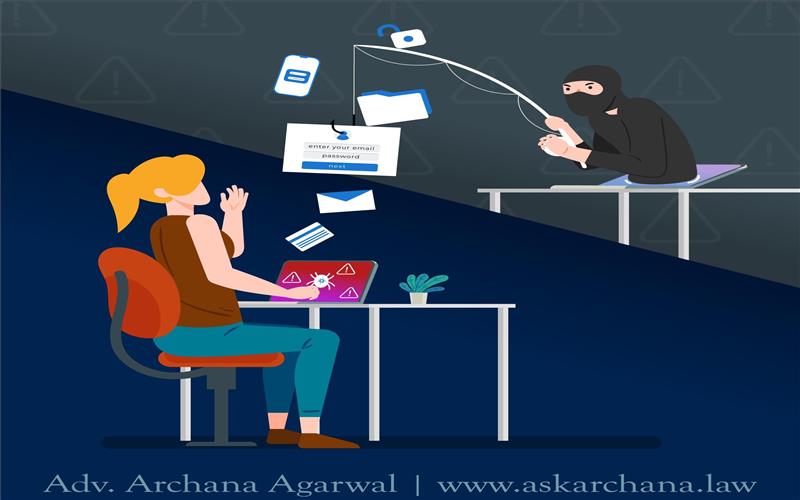
Cheque Bounce Case in India – Complete Guide Under Section 138 NI Act
01/03/2026 | 1632
Advocate Archana Agarwal is enrolled with the Bar Council and practices law in Bokaro, Jharkhand. This website is intended for informational purposes only.